
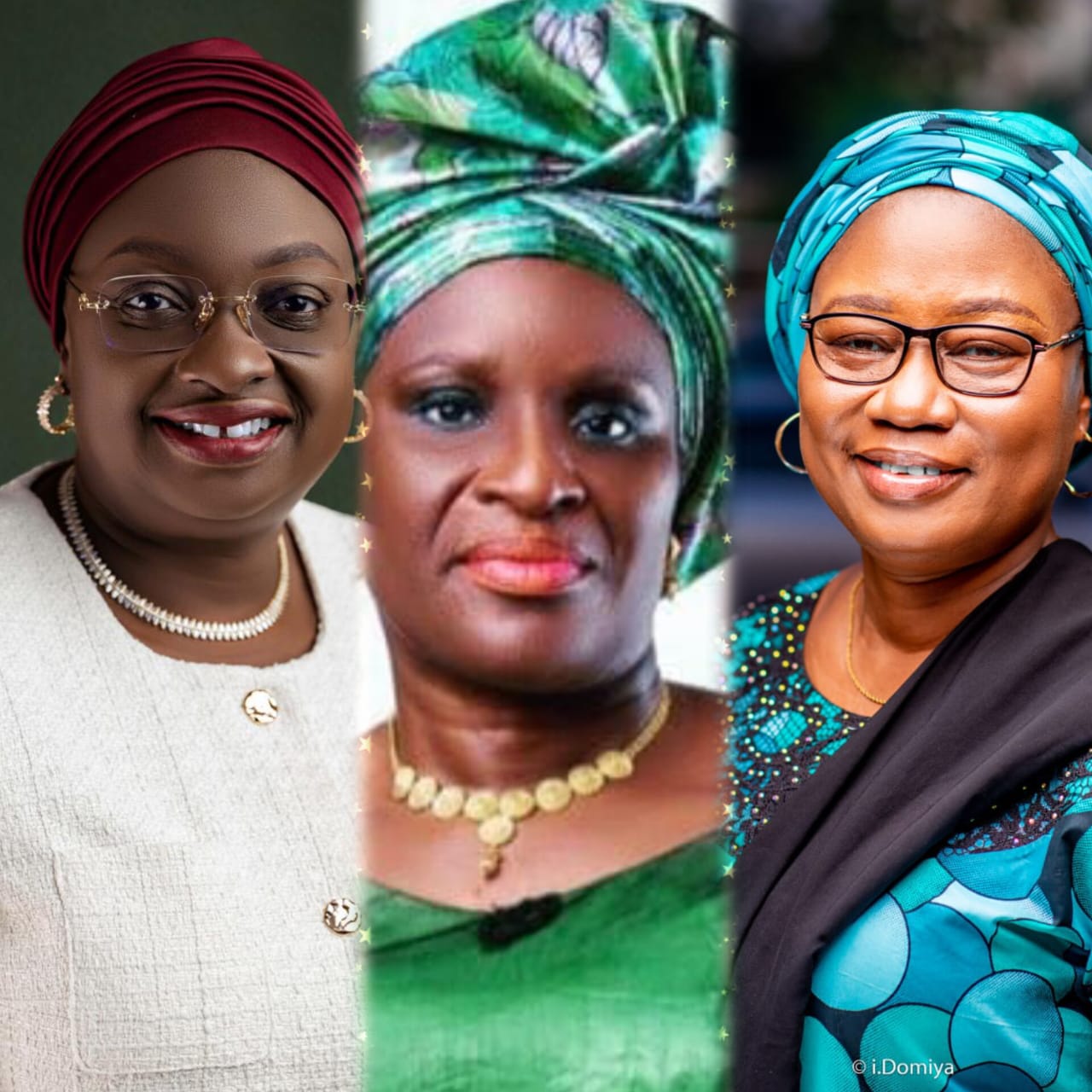
An advocacy group, She Leads Advocates, has called for increased opportunities for female deputy governors across Nigeria to emerge as state governors, particularly as political preparations begin ahead of the 2027 general elections.
The group argued that women currently serving as deputy governors have acquired sufficient experience, institutional knowledge, and leadership capacity to occupy the highest executive offices in their respective states, having played active roles in governance and policy implementation.
The call comes amid growing conversations around gender inclusion and political succession planning within major political parties, especially the All Progressives Congress (APC), where several female deputy governors have continued to gain prominence.
Among those drawing particular attention is the Deputy Governor of Ogun State, Noimot Salako-Oyedele, whose political profile has continued to rise within and beyond the state. With a background in engineering and public administration, she has been widely regarded as a technocrat with a structured approach to governance and development planning.
Her tenure, according to observers, has reflected administrative discipline, policy input, and a focus on measurable outcomes, further strengthening discussions around her potential role in future political arrangements. She also represents the Ogun West senatorial axis, a factor that continues to shape conversations around regional balance and political equity in the state.
Across other states, She Leads Advocates noted that female deputy governors have also demonstrated capacity in governance. In Adamawa State, Kaletapwa George Farauta has been recognised for her academic grounding and administrative contributions. In Imo State, Chinyere Ekomaru has maintained steady influence through grassroots engagement and governance support functions, while in Kaduna State, Hadiza Sabuwa Balarabe has remained a key figure in health policy and executive coordination.
The group stressed that these women should not be seen as symbolic office holders but as active participants in governance who have earned the credibility to be considered for higher responsibility. In Ogun State, the evolving political landscape has further intensified discussions around possible successors within the executive structure. Alongside Salako-Oyedele, other female figures such as Modele Sarafa-Yusuf, a media and communications professional, and Iyabo Obasanjo-Bello, with experience in public administration and political engagement, have also been mentioned in political circles as emerging voices.
Analysts say these developments reflect a gradual shift in Nigeria’s political culture, where competence, visibility, and performance are increasingly becoming central to leadership considerations, rather than purely traditional political alignments.
Ogun State’s political history has long been characterised by a degree of inclusivity across regional and religious lines, a tradition that observers say continues to influence expectations around representation and balance in leadership choices.
According to She Leads Advocates, the growing visibility of women in deputy governorship positions underscores the need for structured succession pathways that recognise experience gained in office.
The group maintained that as political alignments intensify ahead of 2027, stakeholders must begin to consider deputy governors, particularly women, as viable contenders for governorship positions.
It added that the emerging conversation is no longer about the capability of women to lead, but about whether the political space will provide them with the platform to do so.
As the 2027 elections draw closer, the advocacy said Nigeria may be witnessing a gradual but significant shift towards a more inclusive and performance-driven political leadership structure.